




We explored the idea behind biphasic sleep and a historical look at light and sleep in the previous blog. But is biphasic sleep the right fit for you? Today we will explore its benefits and cautions.
Benefits of Biphasic Sleep
One of the most compelling arguments in favor of biphasic sleep is that it may simply match human biology more closely than consolidated monophasic sleep does. Research cited by the Sleep Foundation found EEG evidence suggesting that the waking interval around midnight, which is the gap between first and second sleep, may actually be pre-programmed in humans rather than a product of culture or circumstance.
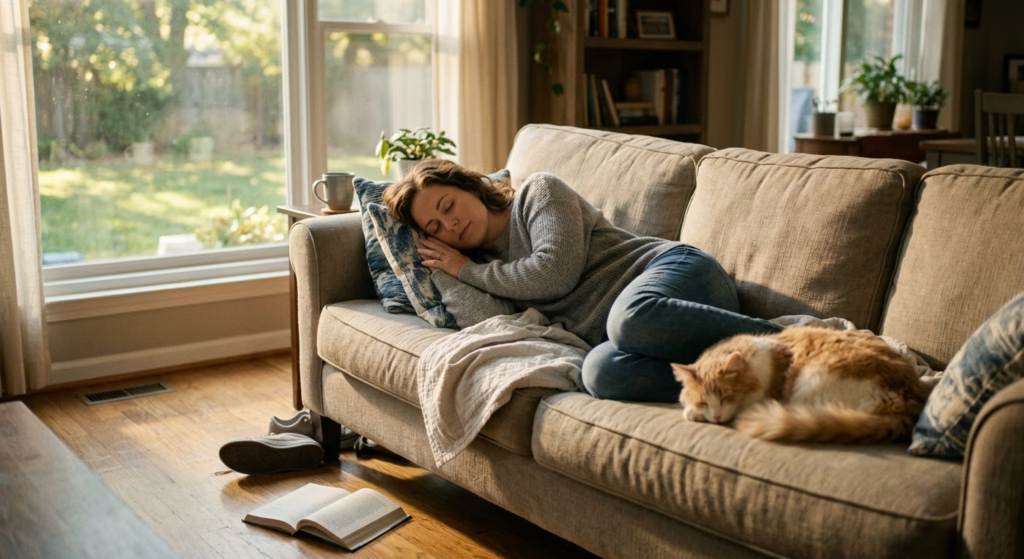
Beyond the historical and neurological case, there is strong evidence that daytime napping, a cornerstone of most biphasic schedules, carries real cognitive benefits. A study published in Progress in Brain Research found that napping consistently improved cognitive performance. Short naps produced immediate improvements in alertness and focus, while longer naps of 30 minutes or more yielded sustained cognitive benefits over a longer window.
Regular nappers tend to experience these benefits more strongly than people who nap only occasionally, suggesting the body adapts to and optimizes around a consistent biphasic rhythm. Many people also report that the mid-afternoon energy dip they feel each day isn’t a sign of laziness or poor sleep: it may be a biological signal.
Cautions of Biphasic Sleep
Biphasic sleep isn’t without its critics or complications. Some researchers argue the pattern isn’t a universal biological default but is instead driven by external factors like meal timing, hot afternoon temperatures, or social norms. For people with rigid work schedules, caregivers, or anyone with limited flexibility during the day, practicing biphasic sleep simply isn’t feasible.
The most significant risk is sleep deprivation. If a biphasic schedule isn’t structured carefully to preserve a total of at least seven hours of sleep, the resulting deficit can accumulate. Chronic sleep deprivation is linked to a range of serious health conditions, including heart disease, kidney disease, high blood pressure, diabetes, obesity, and depression, as noted by the Sleep Foundation. Cognitive performance also takes a measurable hit when sleep is insufficient.
There are also some nuances around napping and children specifically. Research published in the Journal of Developmental and Behavioral Pediatrics found that daytime napping in preschool-aged children was associated with reduced nighttime sleep quality and certain cognitive trade-offs. While biphasic sleep may suit many adults well, the picture is more complicated for young children who are still consolidating their sleep architecture.
Transitioning to Biphasic Sleep
If you’re curious about experimenting with biphasic sleep, the Sleep Foundation recommends a gradual and consistent approach:
- Start with a schedule and stick to it. Decide on your preferred variation and set fixed times for both sleep periods. If you’re trying the siesta model, schedule your nap for the early-to-mid afternoon to avoid disrupting nighttime sleep. Aim to follow the new schedule for at least a week before evaluating how it feels. Keep a journal to determine your new rhythms.
- Be consistent with your timing. Going to sleep and waking up at irregular times is independently associated with worse long-term health outcomes, including greater risk of cardiovascular disease, hypertension, and metabolic disorders. A biphasic schedule only works if both sleep periods happen at predictable, consistent times.
- Manage your light exposure. In the 30 to 60 minutes before any sleep period, reduce your exposure to artificial light. This includes screens, overhead lights, and lamps. If you follow the first/second sleep schedule and wake around midnight, use very dim lighting with warmer hues during your waking hour to avoid suppressing melatonin and making it harder to return to sleep.
- Practice solid sleep hygiene overall. Keep your sleeping environment dark, quiet, and cool. Avoid caffeine in the hours before any sleep period. Reserve your bed for sleep rather than work or entertainment. These habits apply regardless of which sleep schedule you follow, and they become especially important when you’re training your body to sleep at two distinct times rather than one.
- Pay attention to how you feel. Biphasic sleep is not for everyone. Track your energy, mood, and mental clarity over time. If you find yourself feeling more alert and focused, that’s a good sign the schedule suits your biology. If you’re consistently groggy or struggling, it may not be the right approach for you. Again, keep a detailed daily sleep journal to determine if this is the right move for you.
Evidence again suggests that biphasic sleep isn’t a trend: it may be a return to a historically and biologically grounded way of resting. For many people, especially those who feel a natural pull toward an afternoon rest or who struggle with the conventional expectation of sleeping all in one block, a biphasic structure might offer real benefits for alertness, cognitive performance, and overall well-being. Sleep
It is important to make these decisions in consultation with your primary care physician. The Alaska Sleep Clinic is available for free consultations to see if a sleep study would help you sleep more soundly for a better quality of life. Connect with us today.