



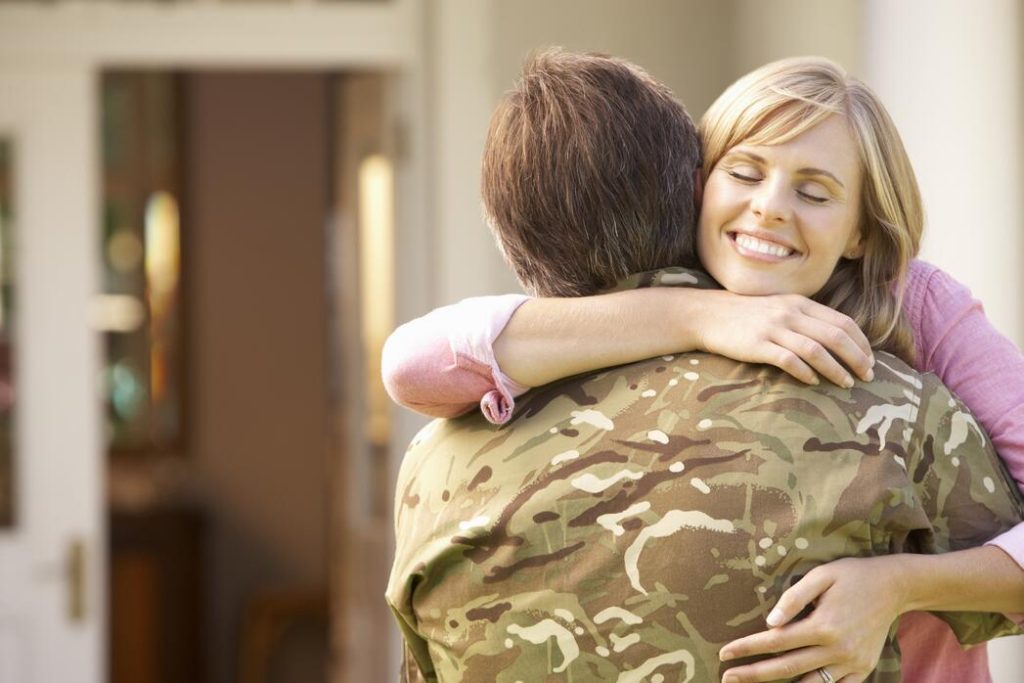
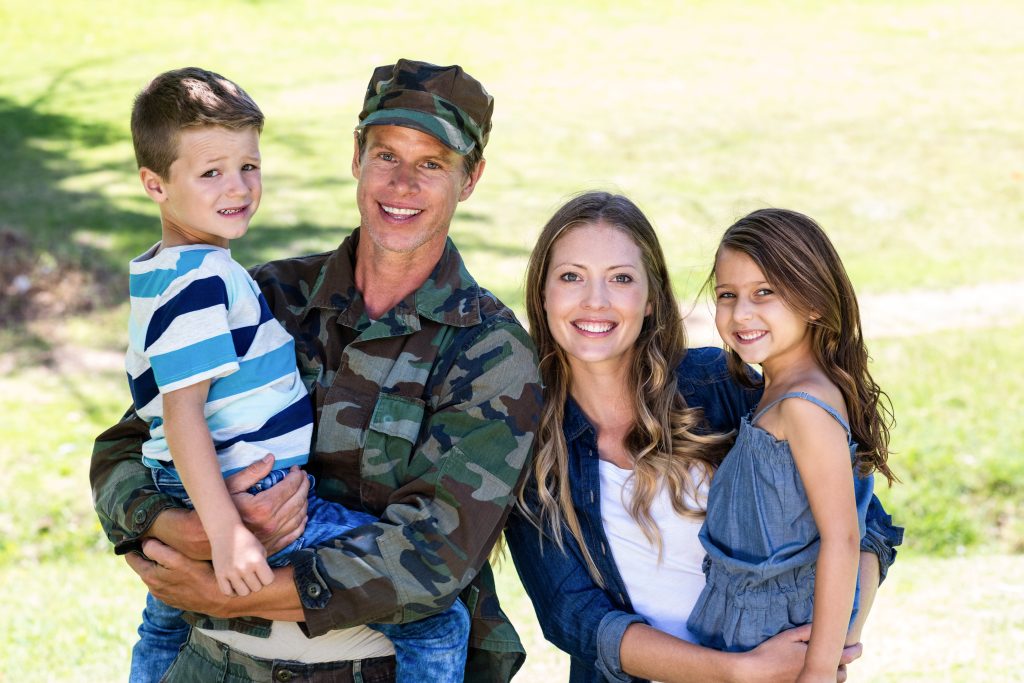
National Military Appreciation Month recognizes the dedication and sacrifices of those who serve in the U.S. Armed Forces.
This May, the observance includes Armed Forces Day, Memorial Day, and Military Spouse Appreciation Day.
Understanding the significance of this month is essential for those with direct military connections and for all Americans who benefit.
Recognizing the contributions of service members goes beyond gratitude. It fosters a deeper understanding of the challenges they face. Moreover, many veterans and active-duty personnel in the military experience difficulties transitioning to civilian life. They manage service-related injuries and cope with mental health struggles such as PTSD and depression.
According to the U.S. Department of Veterans Affairs, an estimated 11-20% of veterans who served in Operation Iraqi Freedom or Operation Enduring Freedom experience PTSD in a given year. Awareness and support from the public can make a difference in their lives by reducing stigma and increasing access to resources.
The Role of Sleep in Military Health
Quality sleep is a crucial yet often overlooked aspect of military readiness and veteran health.
Service members frequently endure sleep deprivation due to training schedules, deployments, or combat stress.
Moreover, research from the Sleep Research Society shows chronic sleep deprivation links to PTSD, depression, and cardiovascular issues among veterans.
Such findings underscore the health risks veterans face.
For active-duty military personnel, sleep loss can impair decision-making and reaction times.
Moreover, it also affects military personnel’s overall performance and is a significant concern for personal well-being and operational effectiveness.
Veterans also struggle with sleep disorders, including insomnia and sleep apnea, often exacerbated by post-service stress and injuries.
Additionally, improving sleep hygiene through structured routines can significantly enhance mental and physical well-being.
Reducing caffeine intake and applying relaxation techniques reinforce these benefits.
Moreover, research indicates that veterans who undergo cognitive behavioral therapy for insomnia (CBT-I) report significant improvements in sleep quality.
Additionally, they show better mental health outcomes.
Showing Support
Being informed about military life and challenges allows individuals and communities to provide better support. Here are ways to educate yourself and contribute:
- Learning more about military history and current issues on official sites like the Defense Department provides insights into the history, missions, and operations of the U.S. military.
- Supporting military families through such programs as Blue Star Families offers ways to assist military families facing frequent relocations and deployments.
- Advocating for veterans’ health through groups like the Wounded Warrior Project to help wounded veterans receive care and rehabilitation.
- Participating in events by attending parades or engaging in community events that honor military personnel are meaningful ways to show support.
National Military Appreciation Month reminds us of the sacrifices by service members and their families.
By staying informed, supporting veterans, and understanding their unique challenges, we can foster a more appreciative society.
If a family member struggles with sleep, contact Veteran-owned Alaska Sleep Clinic for a free consultation.